Interview with Youngkak Cho 조영각
Youngkak Cho is part of the young Korean artists scene actively working with new media art. For more than a decade, artist Youngkak Cho has been exploring the evolving relationship between humans and machines, long before artificial intelligence became a worldwide cultural topic. Rather than treating AI as a threat to artistic creation, Cho approaches it as a medium, a collaborator, and a tool for questioning how technology shapes human perception and imagination. His work reveal how digital information and collective memory circulate in modern society, and how AI can transform existing cultural material into new narratives and experiences.
Cho’s work demonstrates that AI does not have to compete with artists. Instead it can function as a mirror, revealing patterns in language, culture, and imagination while opening new creative pathways. In Cho's practice, AI becomes a partner that challenges artists to rethink authorship, creativity, and collaboration.
LL. How do you use AI technology in your artistic practice? ( interview translated from Korean )
YC. In my work, artificial intelligence functions as a tool to reinterpret social and technological issues. In the early stages, I mainly focused on robotics installations and interactive works that incorporated AI learning systems.
In particular, projects such as A Hot Talks about Something, Someday, Someone and Deep Breath used internet memes and museum collections as data sources.
More recently, through Collection of Proverbs, which utilizes generative AI based on prompt engineering, I have been visualizing the imagination of artificial intelligence through a linguistic approach. For this work I converted 5 Korean proverbs and 5 english proverbs into text prompts. This work attempts to explore the points at which artificial intelligence can universally connect with humans.
LL.When did you begin working with AI in your art, and how has it evolved?
YC. I began working with AI in 2015 when I introduced artificial intelligence reinforcement learning into robotics for the project Chair Walker. After that, I expanded into algorithm-based works using systems such as Markov Chains and Neural Style Transfer. Today, I work with various custom AI models and hybrid production methods combining text, images, sound, and video.
Over nearly ten years, artificial intelligence has continuously expanded the scope of my artistic practice.
LL. How has your work evolved alongside AI technology, and what questions are you exploring today?
YC. As I have worked with AI over a long period (10years), my artistic methods have evolved alongside changing technological trends. Collection of Proverbs uses a large language model to visualize imaginative realms that humans have not experienced in reality.
The project attempts to bring to life scenes and situations that anyone can relate to through artificial intelligence, raising questions about the expressive potential of AI and the points where communication between humans and machines becomes possible.
At a time when AI-generated images and texts often raise anxiety about the future of art, Youngkak Cho’s practice offers a more constructive perspective. Technology, in his work, does not erase human creativity. It expands the path on which creativity can unfold, inviting artists and audiences alike to reconsider how imagination evolves alongside machines.
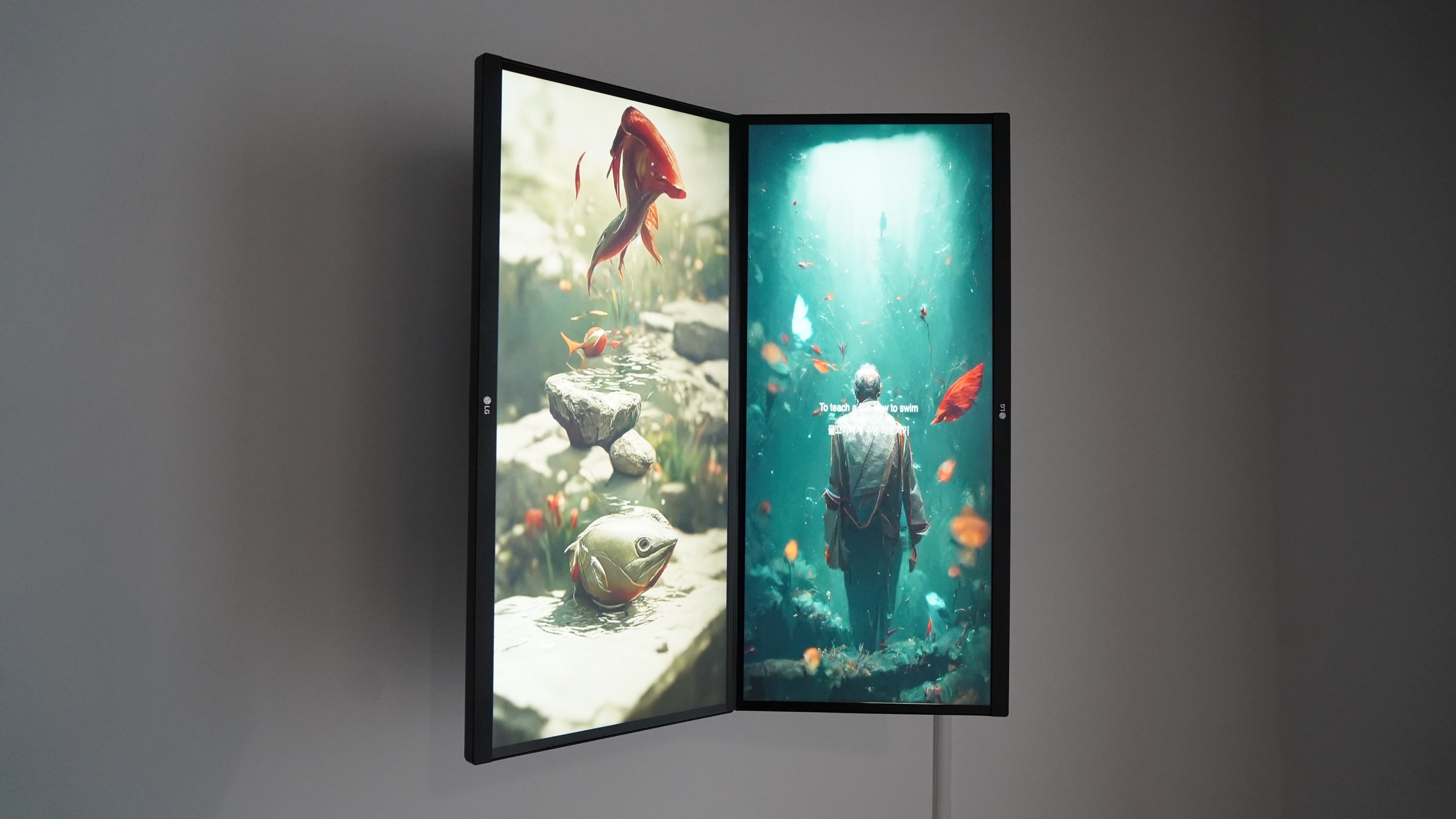
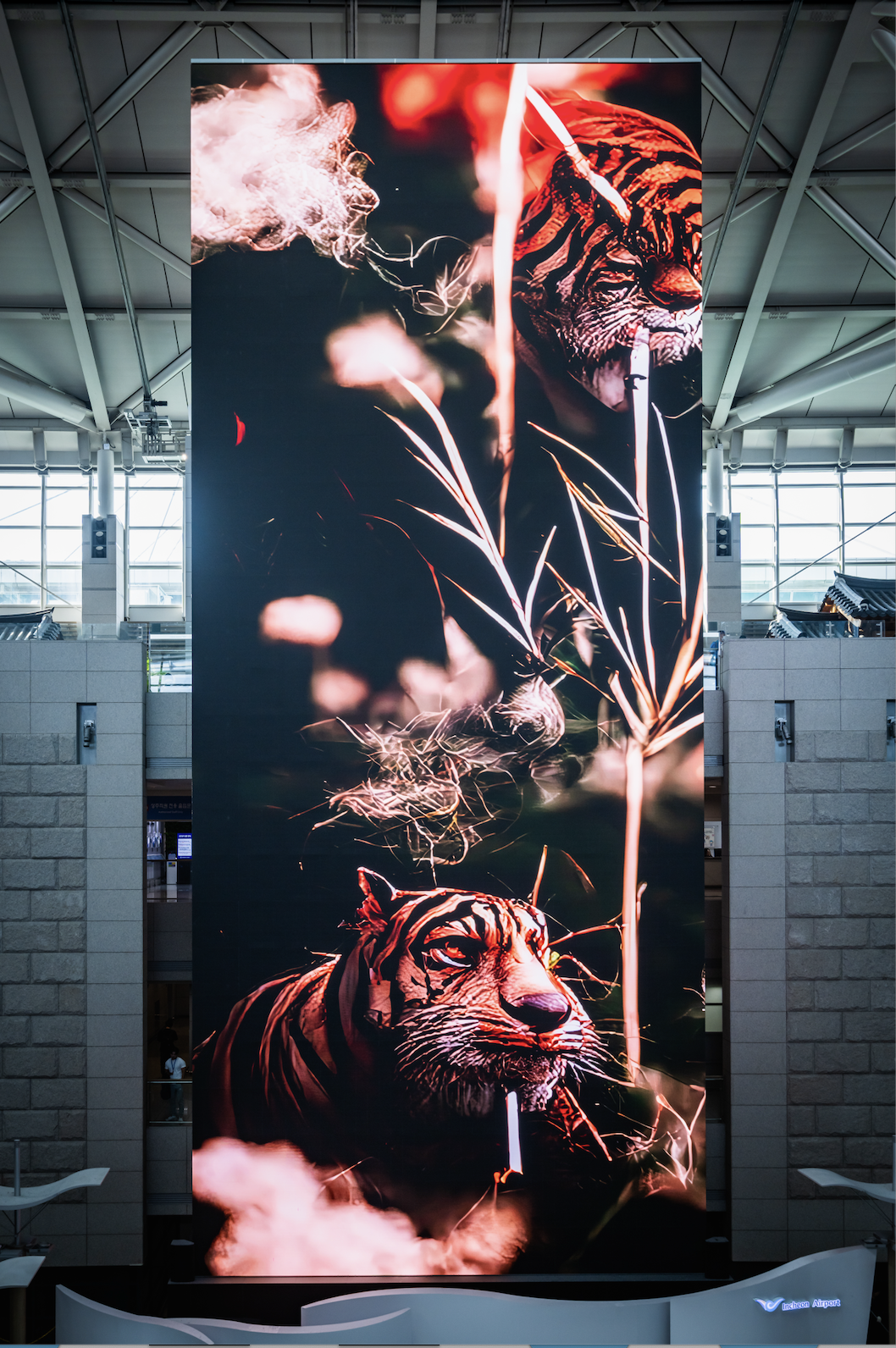
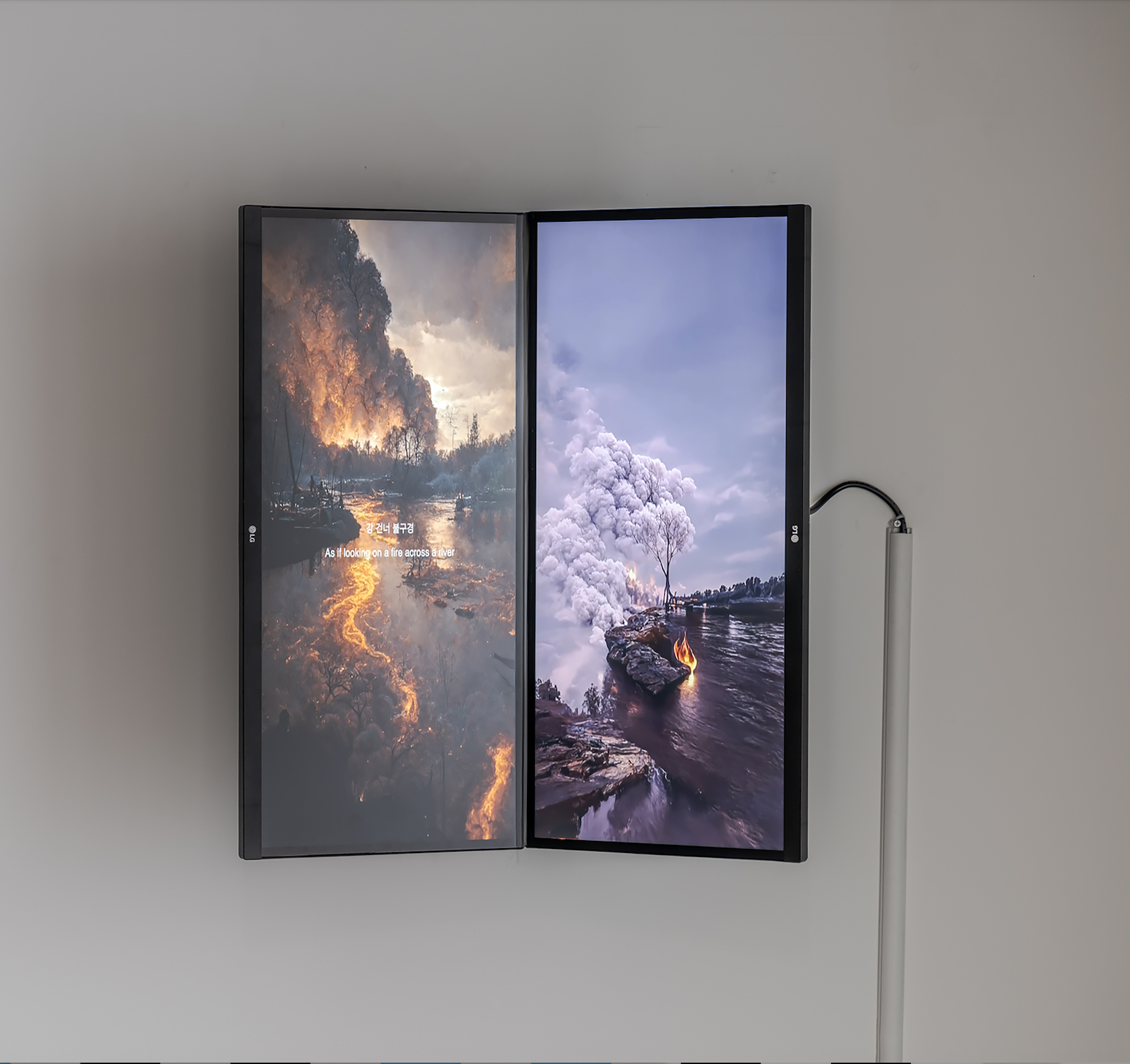
Youngkak Cho, Collection of Proverbs, 2022, digital work
